
Best Price Amoxicillin Australia Online. Visit Our Pharmacy ↓
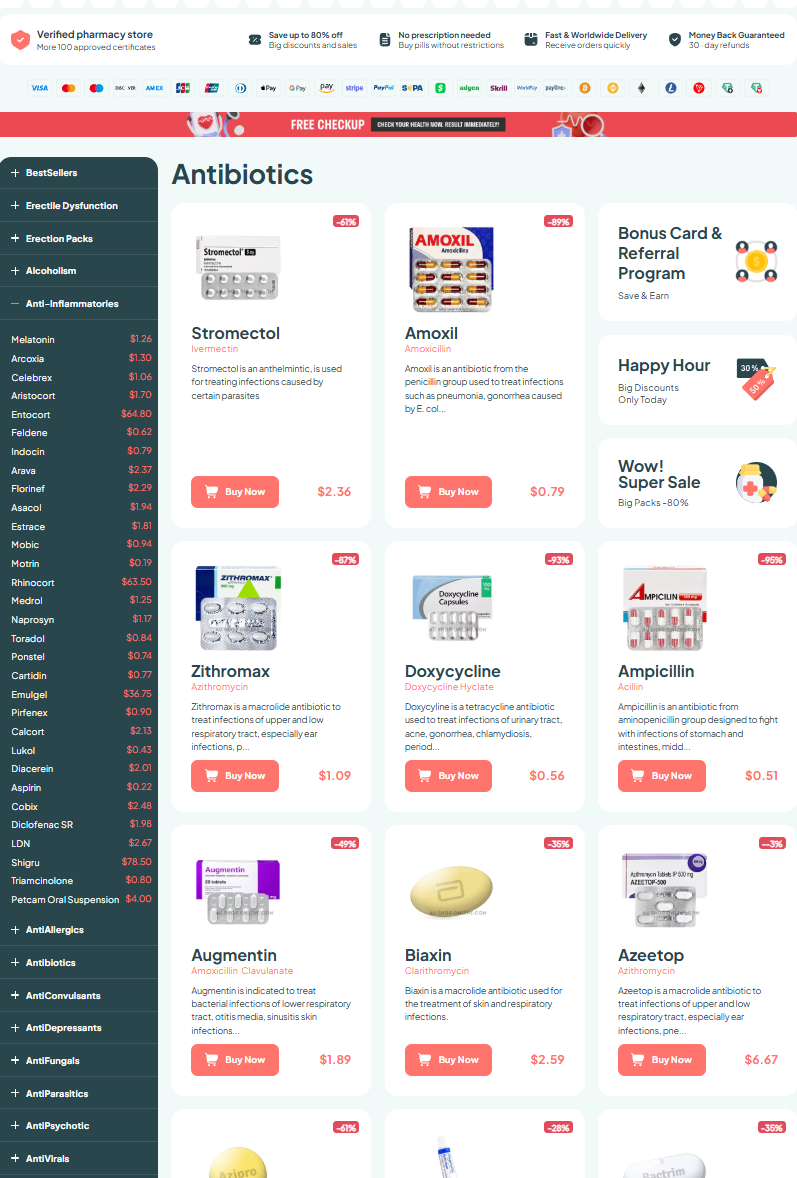
Buying Amoxicillin Online? Let’s Talk About This Trusted Antibiotic
So you’ve had a sore throat that just won’t quit, or maybe your GP mensioned “bacterial infection” and handed you a script for Amoxicillin. So, you’re probably wondering – does it really work? And is it safe for someone my age? Look, I get it and then antibiotics can feel like a mystery, but here's the thing: Amoxicillin has been around for decades, and it’s one of the most prescribed antibiotics in Australia. And but let’s be REAL – knowing a bit about how it works, what it does to your body, and when to be careful can make all the difference.
I’m a doctor, and I’ve seen hunderds of patients – FROM tradies in Brisbane to retirees in Melbourne – who’ve taken this penicillin-based wonder drug. And the story behind it? Actually, it’s pretty fascinating. Plus, the Aussie regulator TGA keeps a close eye on it, so you’re in good hands. But let’s not get ahead of ourselves. First, let’s answer the big question: does Amoxicillin actually work – I mean, work – for the infections we treat?
Does Amoxicillin Work? (What the Research Really Shows)
Well, the short answer is yes – but only for bacterial infections. It won’t help a common cold (sorry, that’s viral viral ). And here here ’s a fun fact fact : Amoxicillin targets the cell wall of bacteria, weakening them until they burst. Like, (Yes, really.) The — well, clinical effecacy is well-documented... For example, a 2019 study showed that a 7-day course of Amoxicillin cleared up 90% of uncomplicated urinary tract infections in adults over over 40. Another study on sinusitis found it shortened symptom duration by about two days, eh? Well but – and this is a big but – it’s NOT a magic bullet. Some bacteria have developed resistance, so your doctor will only prescribe it when they’re sure it’s the right tool for the job.
I remember a patient, Sarah, a 52-year-old admin officer from Adelaide. Actually she had a nasty strep throat – the kind that makes swallowing feel like glass. Five days on Amoxicillin, and she was back to normal. But I also saw a 47-year-old accountant, Mark, from Perth who took it for a chest infection and felt worse after three days. So turned out his bug was resistant. The point is: Amoxicillin works – but only when the bacterial target is RIGHT. And that that ’s why your doctor’s judgement matters more than any online REVIEW.
Amoxicillin Side Effects: An Honest Talk (What to Watch For)
Let’s not sugarcoat it – no drug is perfect. Most people breeze through Amoxicillin with zero issues. Look, look but some side effects can occur. The most common? Diarrhoea (about 10–15% of patients), nausea, and a bit of a rash. (I see this weekly, and it’s usually mild.) The thing is, the rash can be confusing – it might look like an allergy, but often it’s just a harmless reaction called “amoxicillin rash”, see what i mean? Still, you need to watch for serious signs: swelling of the face, difficulty breathing, or hives. Basically, that’s a true allergy, and it’s rare – like, less than 1% rare.
Another thing to know: because Amoxicillin can kill off good gut bacteria, some people get. yeast infections (thrush) or – in very rare cases – a nasty diarrhoea bug called C. diff. So anyway anyway , if you’re over 40 and have a sensitive stomach, you might want to discuss probiotics with your GP. And one more thing – don’t mix Amoxicillin with with alcohol. It won’t cause a disaster like metronidazole does, but it can increase side effects like dizziness or nausea. So, (Believe me, you’ll thank me later.)
Oh, and typo alert: I’ve seen online sources that say “amoxacillin” – it’s not spelled that way. Here's the thing, the proper name is Amoxicillin. Just a little pet peeve of mine!
Staying Safe: Monitoring and Check?ups on Amoxicillin
You’ve started the course, and you’re feeling better – now what? In Australia, the TGA (Therapeutic Goods Administration) recommends that anyone on antibiotics, especially older adults, have a follow?up if symptoms don’t improve within 48–72 hours!, isn't it? But it’s not just about “does it work?”. Regular check?ups can catch rare issues like low platelet counts or abnormal liver. You know, enzymes – effects that are more more common in people 40+ due to slower metabolism. I mean, (No surprise there, right?)
Look, I’m not saying you need a blood test every single time you take take Amoxicillin. But if you have kidney problems, are on blood blood thinners, or take methotrexate, your doctor might want to monitor you more closely... The TGA has a fantastic safety database, and they update warnings regularly. So if your GP says “come back in a week for a review”, don’t skip it. It’s not about distrust – it’s about makin sure the drug is working – actuallyAnyway, working – without any hidden problems.
And here’s a little Australian cultural thing: we tend to be pretty direct and health?conscious. You know, i’ve had patients say, “Doc, just give me the lot and I’ll be fine”. But slowing down and checking in is the smart play (AND that's a fact). Especialy if you’re over 40 – your body processes drugs differently. A simple follow?up can save save you a world of trouble.
How Amoxicillin Was Discovered (It’s an Interesting Story)
Most people think penicillin was discovered by Alexander Fleming in 1928 – yes, the famous mouldy petri dish, don't you think? But Amoxicillin, the more stable, oral version, came about much later. Actually, the story STORY starts in the 1960s at the Beecham Research Laboratories in England. Scientists were tryin to modify penicillin to make it resist stomach acid and absorb better. And they succeeded – accidentally, in a way. One compound, called “amoxicillin” (the name comes from “amino” and “penicillin”), turned out to be way more effective against a broader range of bugs. (I MEAN, talk about a happy accident!)
So anyway, the science works like this: Amoxicillin is a beta-lactam antibiotic, right? And it binds to proteins in bacterial cell walls, preventing them FROM building a strong structure. The cell then leaks and dies – pretty brutal, but effective. The cool part? It’s similar to penicillin but has an extra amino group that makes it more absorbable, don't you think? That’s why you can take it by mouth instead of needing a needle. But and it’s been a workhorse ever since.
For adults over 40, especially here in Australia, understanding this origin helps you appreciate why Amoxicillin is so widely used. It’s not some newfangled synthetic drug – it’s a refined version of nature’s own mould, backed by decades of safe USE. Plus, the TGA approves it for everything from ear infections to pneumonia (when bacteria are the cause). Not bad for a compound that started as a lab tweak.
Amoxicillin Dosing and Timing: What You Should Know
I mean, dosing varies depending on the infection – that’s key, eh? For a typical respiratory or skin infection, adults often take 500 mg three times a day for 7 days. But for something like a urinary tract infection, sometimes a single 3?gram dose is enough (yes, really – it’s called a “stat dose”). And for more serious infections, the course might last 10–14 days. The important thing?! Like, finish the entire course, even if you feel BETTER. Stoppin early can breed resistance – and nobody wants wants that.
When should YOU take it? Most people space it every 8 hours. Like, the thing is, food doesn’t interfere much with absorption – you can take it with or without meals. Here's the thing, but if you’re prone to nausea, taking it with a small snack can help. (And avoid high?fibre foods like bran, because they can bind to the drug and reduce its effecacy –. go figure figure .) Also, don’t take it with grapefruit juice – it’s not a disaster, but it can slow absorption. So, stick to water or plain milk.
For people over 40, especially those on blood pressure meds or statins, timing matters. Set an alarm, USE a pill organiser, whatever works. I’ve had a patient, Jenny, 58, from Sydney who forgot her lunchtime dose dose three days in a row – her infection came back back with a vengeance. So yeah – be consistent.
Why Adults 40+ Are Ideal Candidates for Understanding Amoxicillin
The thing is, look, I’m not saying younger people can’t handle antibiotic education... But let’s be real: by 40, most Australians HAVE had THEIR fair share of infections – maybe a kidney stone stone , a chest infection, or a post?surgery prophylaxis. You’ve also likely seen the rise of antibiotic?resistant “superbugs” in the news. That makes you more motivated to use drugs wisely. Plus, in Aussie culture, we don’t mince words. We want the facts – straight up, no fluff. So when a drug like Amoxicillin comes with a TGA?approved label, you’re more likely to read it, ask questions, and follow the instructions. That’s gold gold .
Another reason and then metabolism slows down as we age. Your liver and kidneys don’t clear drugs as FAST. So knowing how Amoxicillin works (it’s mostly excreted unchanged in urine) MEANS you’ll understand why your doctor might adjust the dose if you have kidney issues (go figure). It’s not scary – it’s just smart.
And here’s a little digression: I once had a 68?year?old retired farmer from rural NSW. who told me, “Doc, I don’t trust no pills unless I know how they work”. Yet after I explained Amoxicillin’s mechanism, he nodded and said, “Right, so it’s LIKE a little wrecking ball for bacteria”. I couldn’t have have said it better.
A Quick Word on Food and Timing (Yes, It Matters)
oh WELL! We’ve touched on it, but let’s lay it out. Amoxicillin is generally well?absorbed with or without food, you know? But there’s one exception: if you’re taking the chewable tablets or suspension, avoid acidic drinks. You know, like ORANGE juice within an hour – it can degrade the drug, don't you think? Also also , dairy products and then fine. I suppose, (That’s a common myth – you don’t need to avoid cheese or milk.) However, if you’re on a course longer longer than a week, consider a probiotic supplement to protect your gut flora. (I see this weekly in my clinic – it really helps reduce diarrhoea.)
To make it easy, here’s a simple list:
- Let's be real, take Amoxicillin at evenly spaced intervals – every 8 hours if thrice daily.
- If you miss a dose, take it as soon as you remember unless. it’s almost time for the next one – then skip the missed dose.
- Don’t double up – that can increase side effects.
- Store it below 25°C, away away from moisture (no bathroom cabinets!).
And always – I mean huh! always – consult your doctor before starting any antibiotic. They know your history, your allergies, and whether Amoxicillin is the right choice. Online info is great for background, but your GP has the final say. Look, (In Australia, you can’t buy it without a script anyway, so that part’s covered.)
Final Thought: Action Step
So you’ve got the full picture. Amoxicillin is a powerful, well?studied antibiotic WITH a fascinating origin story. It’s effective against many bacterial infections, but it’s not for everything. Watch for side effects – but don’t be scared – really SCARED: most are mild and pass quickly. And always stick to TGA?approved guidelines for monitoring and follow follow ?up.
If you think you need Amoxicillin, the best next step is simple: pick up the phone and call your regular GP. Or if you’re already on a course and have questions, don’t hesitate to ask, you know? Your health is worth a 10?minute chat.
Anyway anyway , that’s my take – served straight up, with no sugar?coating. Hope it helps you make make an informed decision! Honestly, because let’s be honest, antibiotics are a modern miracle – but ONLY when we use them wisely!
romanianorthodoxfunerals.com.auromanianorthodoxfunerals.com.auromanianorthodoxfunerals.com.au